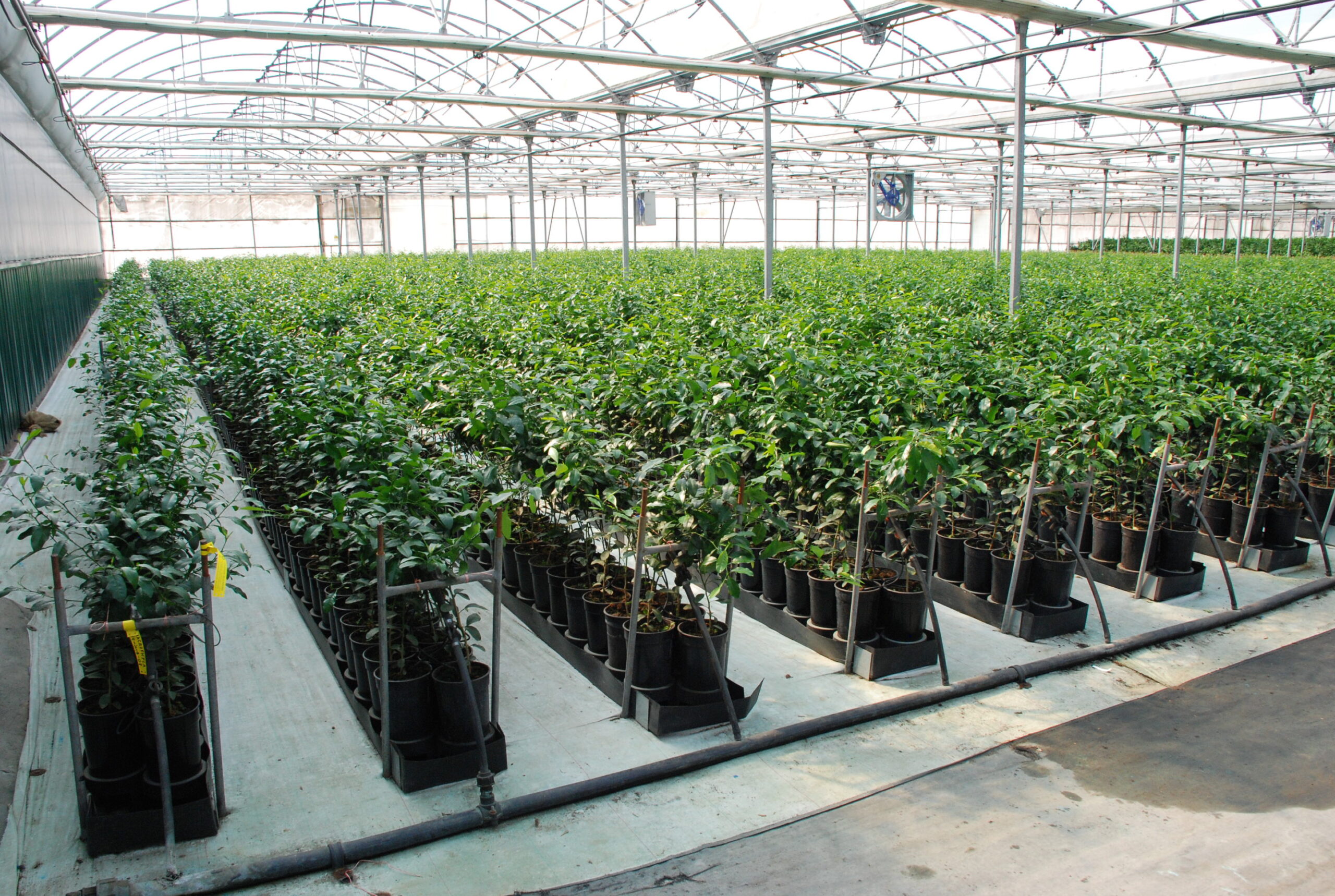
The future of citrus production depends not only on developing better varieties and rootstocks, but also on finding more sustainable ways to produce the plants themselves. For professional nurseries, one of the challenges is the widespread use of conventional plastic containers and growing materials.
At AVASA, innovation and sustainability are increasingly connected. Through its participation in the EU-funded PHAntastic project, AVASA is contributing its experience as a professional citrus nursery to the development and demonstration of biodegradable growing systems based on polyhydroxyalkanoates (PHAs).
PHAntastic aims to reduce agricultural plastic waste and explore alternatives to conventional agricultural inputs by developing bio-based and biodegradable solutions. Among these innovations are PHA/PHBV-based growth foams designed for tree seedlings, including citrus, offering an alternative approach to conventional plastic-based nursery systems.
Beyond replacing plastic
Conventional plastic pots have played an essential role in modern plant production. They are resistant, lightweight, economical and easy to handle. However, their widespread use also creates an environmental challenge. Once their useful life is over, they need to be collected, recycled or disposed of, generating agricultural plastic waste.
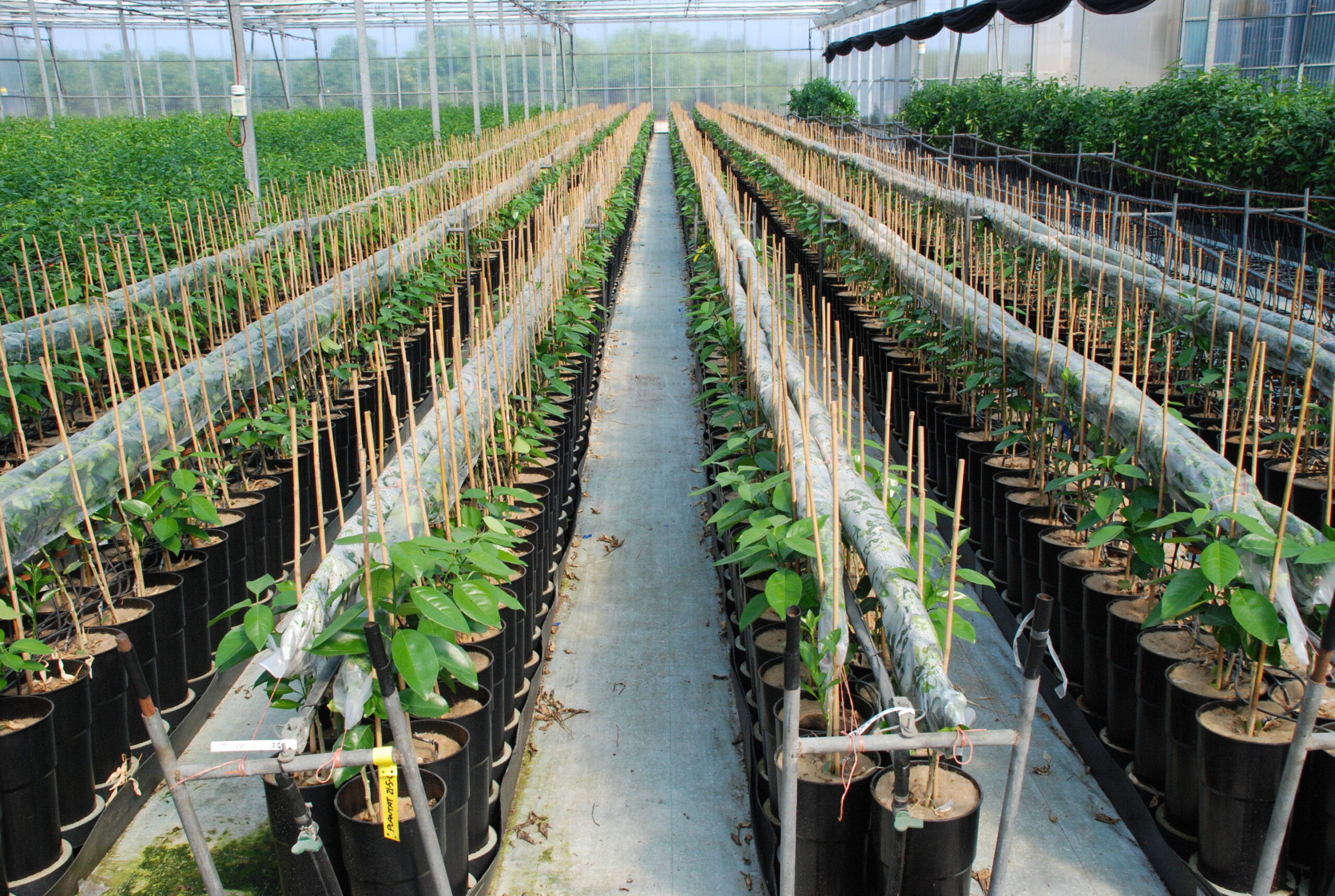
Replacing conventional plastic with biodegradable materials could contribute to more circular approaches to nursery production. But PHAntastic is also exploring possibilities beyond simply replacing one material with another.
The project is developing biodegradable growth foams that can serve multiple functions within the plant production system. These materials are designed to provide physical support and retain moisture, while also acting as carriers for bio-based active ingredients.
A growing system designed to deliver nutrients and biological inputs
One of the aspects being explored within PHAntastic is the incorporation of nutrients and beneficial biological inputs into biodegradable materials.
The growth foams can be formulated to carry bio-based fertilisers and other active ingredients, including nutrients derived from sources such as amino acids, hydrolysed proteins and algae, together with beneficial microorganisms such as Plant Growth-Promoting Rhizobacteria (PGPR).
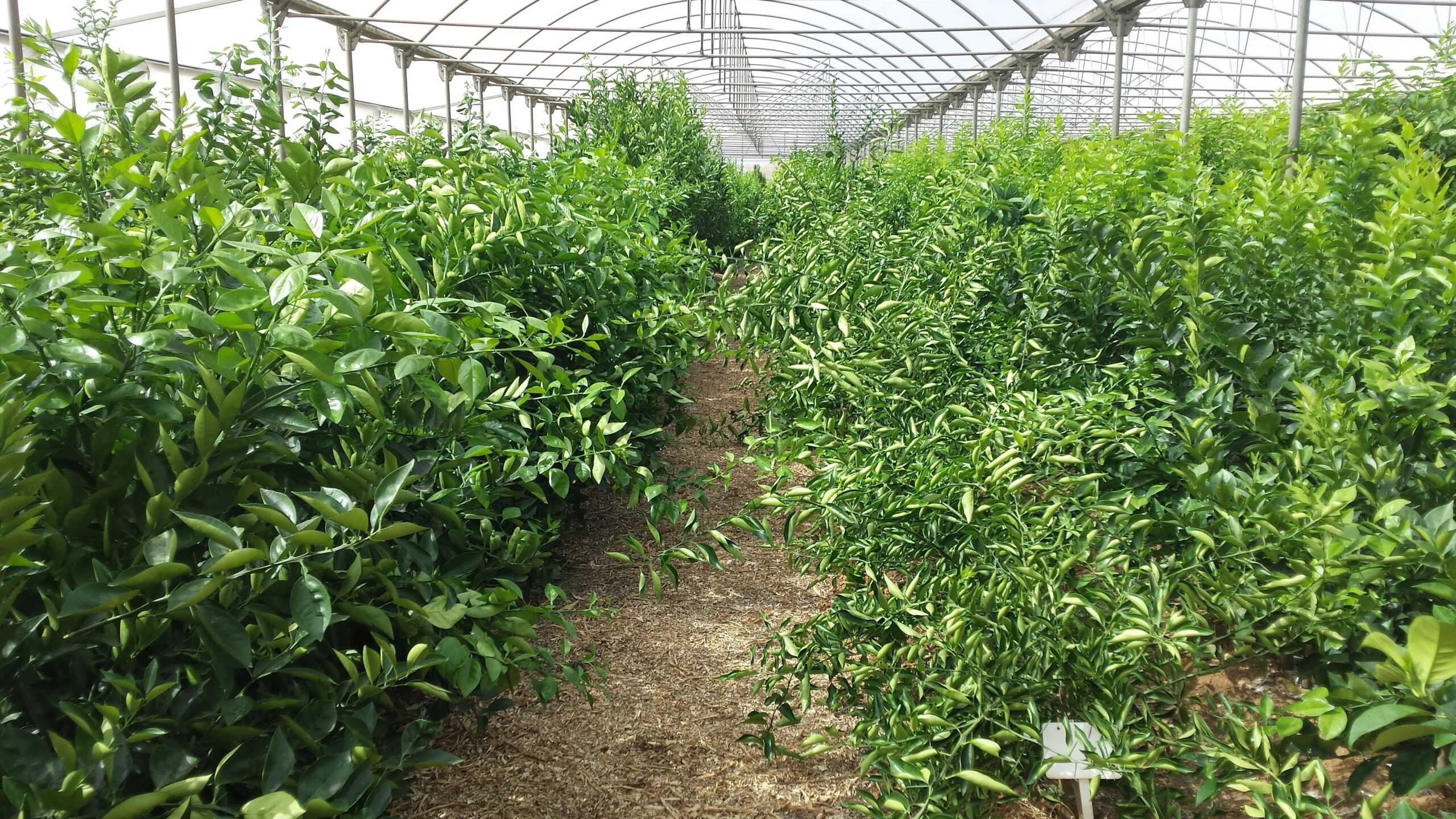
This creates a different concept for nursery production: rather than serving only as physical support, the growing material can also act as a delivery system for nutrients and biological inputs.
For citrus, this approach could be particularly relevant during the establishment phase. Healthy root development and adaptation after planting are important for the future performance of a citrus tree. PHAntastic is therefore investigating whether biodegradable growing systems can support the root environment while delivering nutrients and beneficial microorganisms.
From nursery to orchard
The potential environmental benefits extend beyond the nursery stage.
With conventional plastic pots, the container normally has to be removed or managed as waste during planting. In contrast, the PHA-based materials developed within PHAntastic are being designed and tested for biodegradation in soil, with the aim of reducing the amount of persistent agricultural plastic waste associated with nursery production.
This approach could also enable the growing material to remain with the plant during transplantation, depending on the final design and performance of the system.
It represents a shift in how growing materials can be considered: rather than being used only during the nursery stage and then discarded, biodegradable materials could be designed to perform additional functions during plant establishment before biodegrading in the soil.
AVASA’s specific contribution
AVASA’s role in PHAntastic is to help bring this innovation into the real-world environment of professional citrus production.
As an experienced citrus nursery, AVASA contributes its practical knowledge of citrus propagation and plant production, as well as the nursery conditions required to evaluate the performance of the new materials with citrus plants.
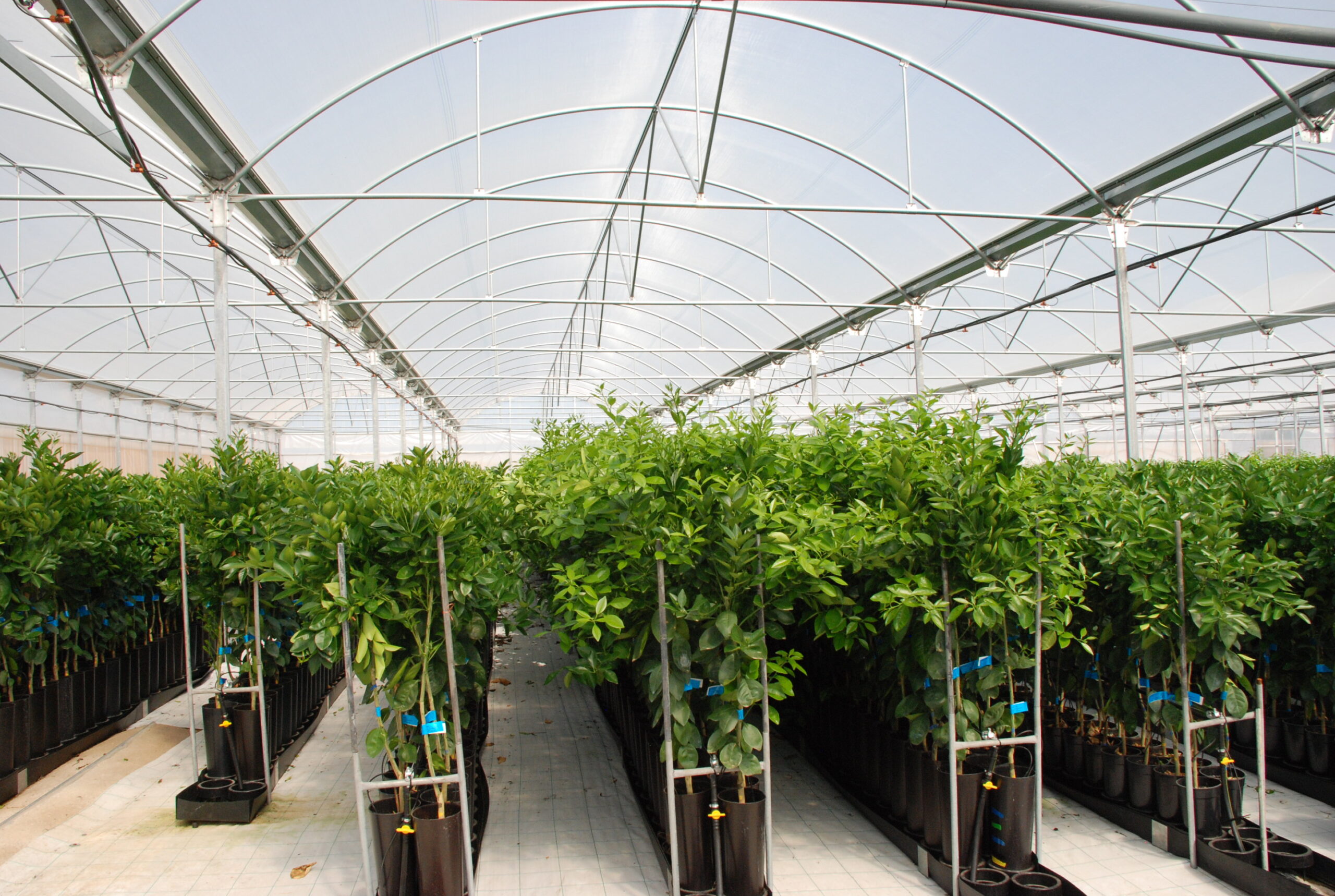
This includes assessing relevant aspects of nursery and transplant performance, such as plant and root development, water and moisture management, nutrient availability, handling, transplanting and establishment after planting.
AVASA therefore acts as an important bridge between research and commercial citrus production. While the PHAntastic consortium develops and optimises the biodegradable materials and their active components, AVASA contributes the practical nursery perspective needed to evaluate how these innovations perform under real citrus production conditions.
This demonstration role is essential: a sustainable material must not only meet environmental and sustainability objectives, but also fulfil the demanding requirements of professional nurseries and support the production of high-quality plants.
Towards a more circular citrus nursery
Replacing conventional plastic is only part of the challenge. A further opportunity is to develop multifunctional, biodegradable growing systems that combine plant support, moisture management, nutrient delivery, biological activity and biodegradation.
Through PHAntastic, AVASA is helping bring this concept from research into the citrus nursery, contributing the practical knowledge and real-world conditions needed to evaluate its potential.
The project is exploring whether growing materials can be designed to support plants, deliver nutrients and biological inputs, and ultimately biodegrade in soil, offering a potential pathway towards more circular nursery production.
Written by: AVASA