Mulching has been used in agriculture for thousands of years to protect soil, retain moisture and support crop growth. Today, plastic mulch films have become an important tool in modern farming, offering significant agronomic benefits. However, the use of conventional non-biodegradable plastics also creates challenges at the end of their useful life.
The PHAntastic project is exploring how biodegradable materials can address these challenges while adding new functionality to agricultural mulch. By developing PHA-based mulch films that can deliver beneficial bio-based compounds to crops and soil, the project aims to take mulching a step further.
Agricultural mulch: an established practice
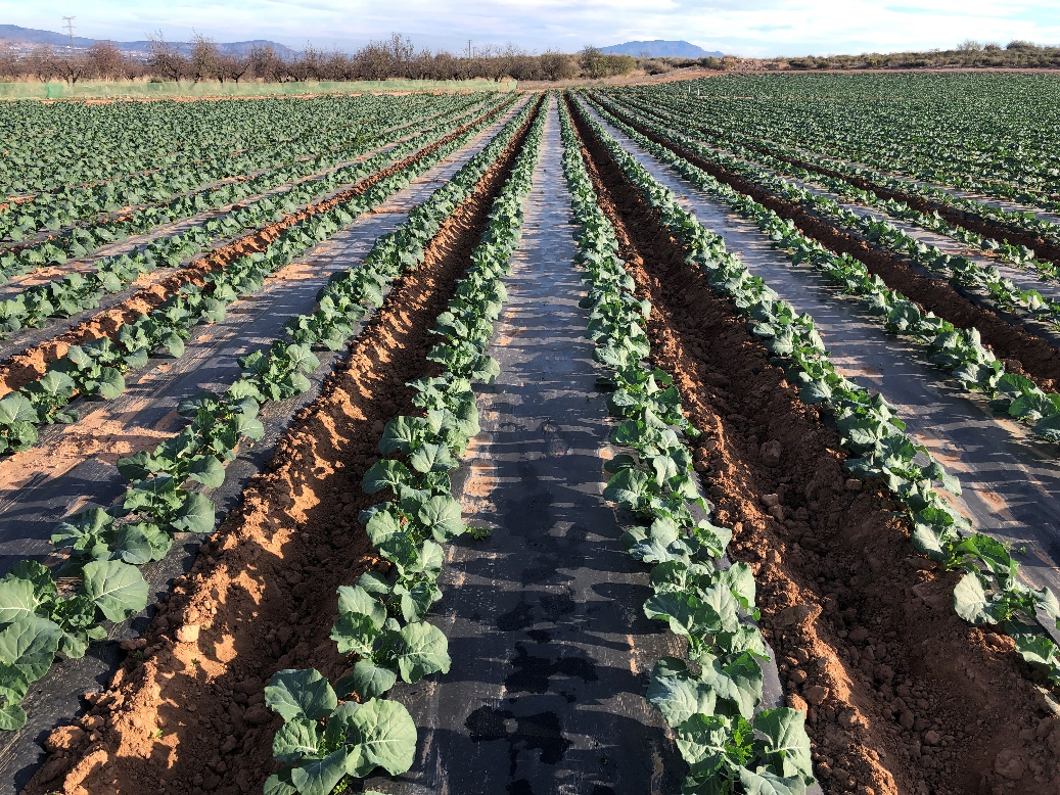
Mulching is not a new technique. There is evidence that it dates back practically to the advent of agriculture. Early farmers used layers of organic matter to retain moisture and provide nutrients to crops. Over the centuries, different cultures have used straw, dry leaves, crop residues, manure and other materials as soil covers to reduce erosion, maintain moisture and prevent weed growth.
In the 20th century, the emergence of new materials such as polyethylene, together with machinery for their installation, allowed plastic mulching to expand considerably. The benefits of plastic mulch films, including weed control, moisture retention and improved crop performance, have made them an important tool in modern agriculture. According to the FAO, an estimated 12.5 million hectares of farmland use some form of plastic mulch.
The challenge of polyethylene mulch films
The main challenge associated with non-biodegradable mulch films is their management after use. Once their useful life is over, they need to be collected and removed from the field. This is a difficult and costly task, which becomes even more challenging as films become increasingly thin.
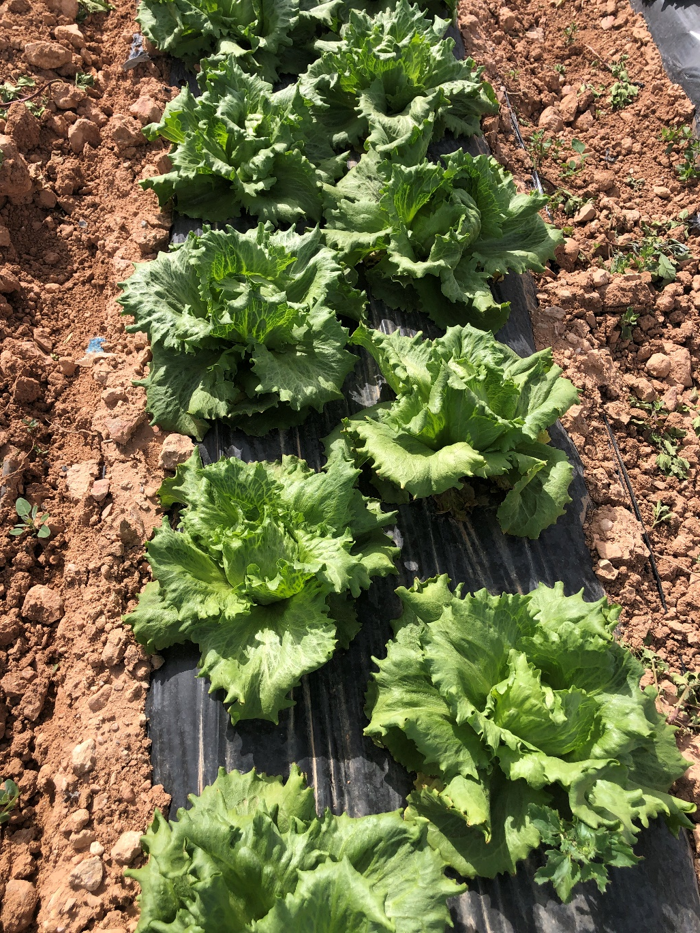
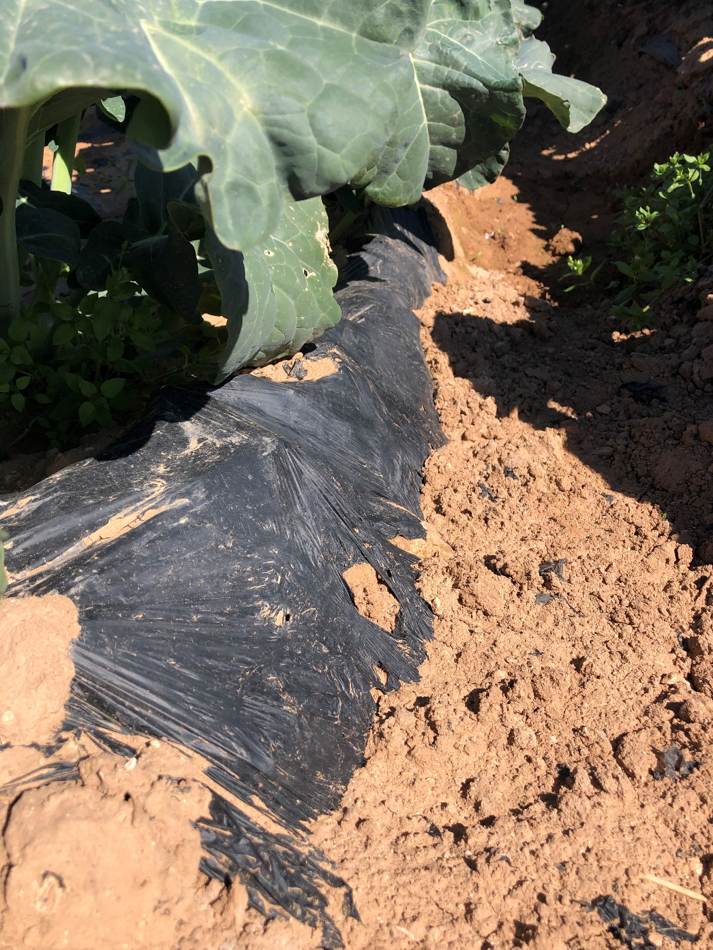
After months in the field, exposed to sunlight, rain and mechanical stress, the films can become partially degraded, torn and heavily contaminated with soil and crop residues. This complicates their collection and subsequent management. In some cases, a large proportion of the material collected consists not of plastic, but of soil and agricultural residues.
This creates both technical and economic challenges for recycling and disposal, while residues that remain in the soil can contribute to plastic pollution.
Biodegradable mulch: addressing the waste challenge
The development of biodegradable mulch films, together with certification schemes for biodegradability in soil, has provided an alternative approach. Materials such as Ecovio, Mater-Bi and certain PBAT-based formulations are designed to biodegrade in soil, eliminating the need to collect and remove the mulch after use.
For farmers, this can significantly simplify end-of-life management. Certified biodegradable mulch films are designed to break down through the activity of microorganisms in the soil, ultimately being converted into substances such as carbon dioxide, water and biomass, without leaving persistent plastic residues.
However, achieving reliable biodegradation under real agricultural conditions is not straightforward. Soil characteristics and climatic conditions vary considerably, making it difficult to predict how quickly a mulch film will degrade.
At PROEXPORT, through our participation in the Biodegradable Mulches Operational Group, we have observed the importance of applying practices that can facilitate biodegradation and support the activity of soil microorganisms, helping the process take place within the desired timeframe.
Taking mulching a step further
With the PHAntastic project, we aim to go one step further. The project combines the agronomic benefits of mulch films with the advantages of biodegradable materials, while introducing an additional function: the ability to act as delivery systems for beneficial bio-based compounds.
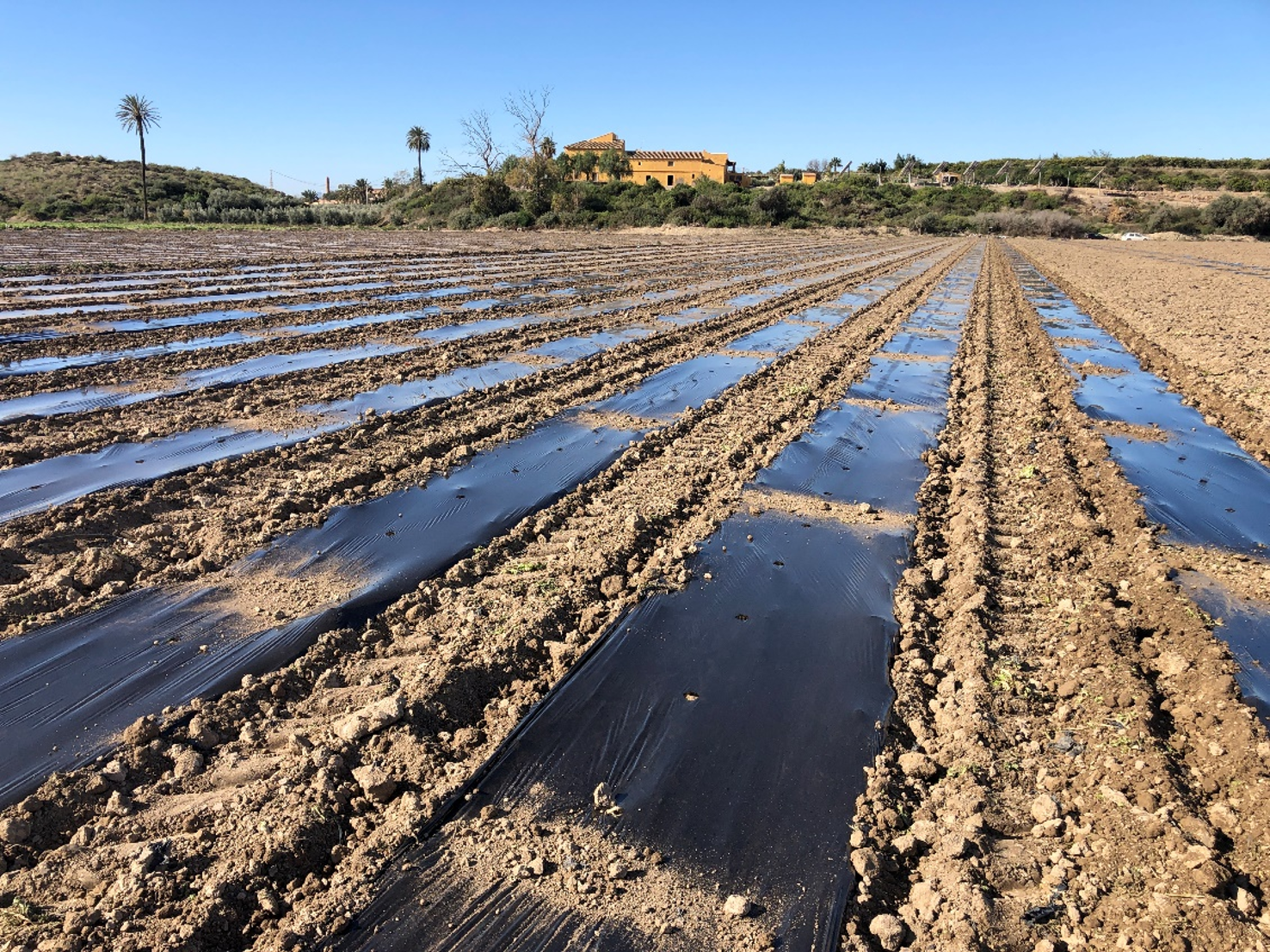
PHAntastic is developing mulch films made from PHAs, bio-based and biodegradable polymers, which can incorporate active bioproducts designed to support crop nutrition and plant health. These include beneficial biomolecules and microorganisms that can contribute to plant development and natural defence mechanisms.
The technology involves incorporating active ingredients into the mulch film through specialised formulations, including microcapsules. These can be designed to release the active compounds according to the needs of different crops and stages of plant development.
In this way, the mulch film is no longer simply a physical barrier protecting the soil. It becomes a functional agricultural material capable of supporting crop growth while reducing reliance on conventional agricultural inputs.
Supporting the transition towards more circular agriculture
As an association of agricultural producers, PROEXPORT has a strong interest in understanding the potential of this emerging technology first-hand. Our participation in PHAntastic allows us to contribute our agronomic knowledge and resources to the development and testing of these innovative solutions.
By combining biodegradable materials with targeted delivery of beneficial bio-based compounds, PHAntastic is exploring how agricultural plastics can become part of a more circular and resource-efficient food system.
The journey from traditional mulching to high-tech biodegradable delivery systems demonstrates how established agricultural practices can evolve through innovation, supporting both farmers and the environment.
Written by PROEXPORT