In recent years, the global push toward sustainability has accelerated the development and adoption of bioplastics as alternatives to conventional petroleum-based plastics. However, the rapid growth of bioplastics has also prompted the need for clear regulatory frameworks to ensure their environmental benefits, safety, and proper application, particularly in sensitive sectors like agriculture.
What are bioplastics?
The term ‘bioplastics’ encompasses a broad range of materials, which can be categorised into:
- Biobased plastics: made partially or entirely from renewable biological sources. Examples include bio-polyethylene (bio-PE) derived from sugarcane ethanol.
- Biodegradable plastics: capable of breaking down into natural elements through microbial activity under specific conditions. Examples include polylactic acid (PLA) and polyhydroxyalkanoates (PHA).
- Combination of both: some bioplastics are both biobased and biodegradable.
The diversity of bioplastics complicates regulatory approaches, necessitating precise definitions and classifications that inform standards and policies.

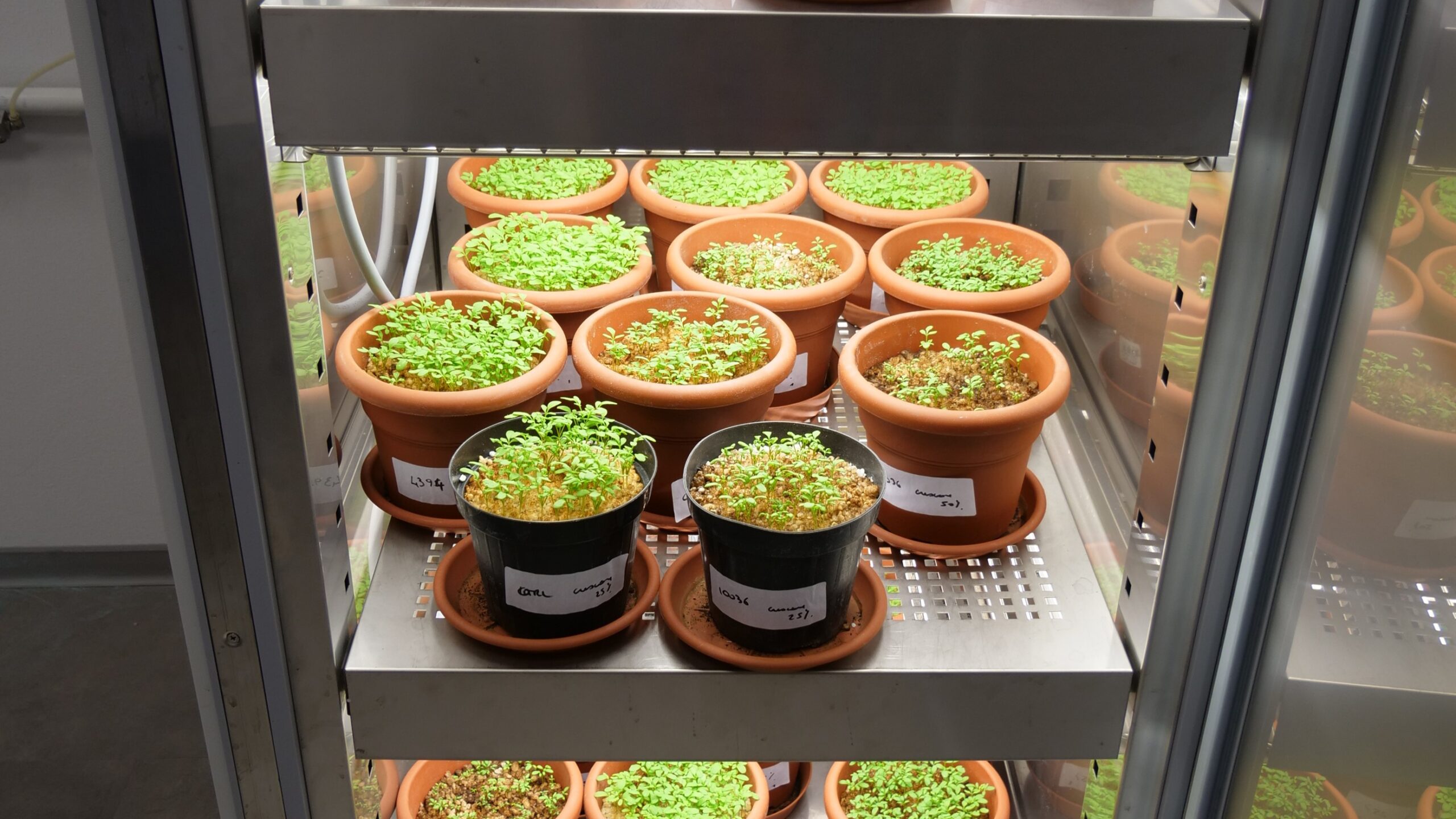
ARCHA’s biodegradability laboratory with climate chambers used to test materials under controlled conditions. Photo: ARCHA
Global Regulatory Frameworks: An Overview
The European Union (EU) has been at the forefront of establishing comprehensive regulations for bioplastics:
- European Bioplastics Association, the industry body promotes standards and best practices.
- EU Green Deal and Circular Economy Action Plan, these initiatives emphasise sustainable materials, including bioplastics, with a focus on reducing plastic waste and promoting biodegradability.
- EU Regulation on Packaging and Packaging Waste (EU No 2019/1020) sets standards for packaging materials, including bioplastics, with requirements for recyclability and compostability.
- EN 13432 & EN 14995 Standards, these specify the criteria for compostability of bioplastics, ensuring they meet certain biodegradation, disintegration, and eco-toxicity benchmarks.
- Ecolabel and Certification Schemes, the Eco-label certifies products that meet sustainability criteria, including bioplastics.
Regulatory Challenges and Gaps
Despite progress, several challenges remain:
- Lack of Harmonised Standards or presence of different standards across regions can complicate international trade and certification.
- Ambiguous definitions and overlapping terms like “biobased,” “biodegradable,” and “compostable” cause confusion among consumers and industry.
- Claims about biodegradability or environmental benefits can be misleading and greenwashing can occur without strict verification.
- Bioplastics often require specific composting or recycling facilities, which are lacking in many regions.
- The use of bioplastic-derived fertilisers or mulch films and their impact on agriculture raise questions about safety, degradation rates and soil health.
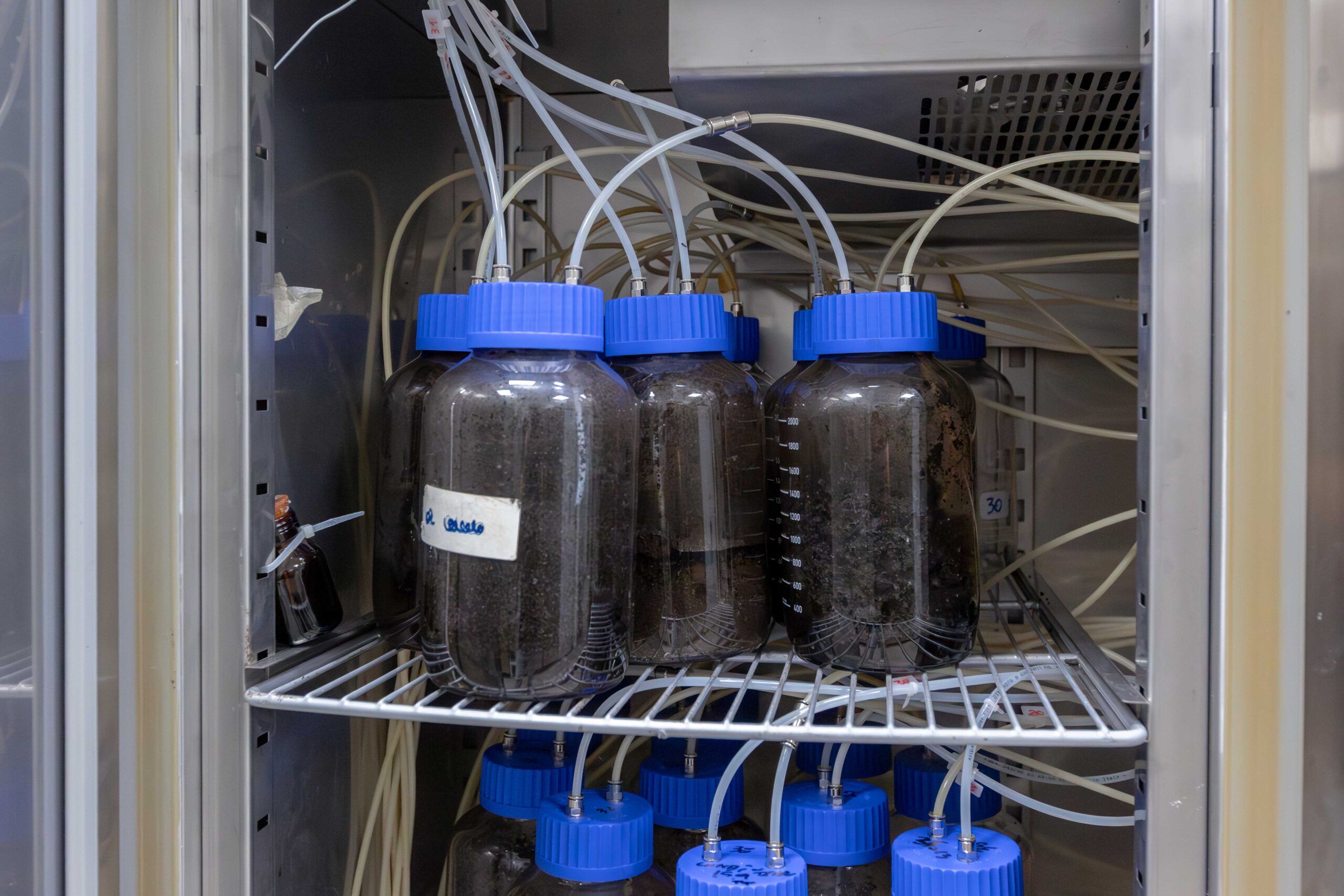
Reactors used for biodegradability testing, where air flow and CO₂ production are monitored during bioplastic degradation. Photo: ARCHA
Applications of Bioplastics
Bioplastics are used across various industries, including packaging, textiles, consumer goods, and agriculture. Agriculture applications are driven by the need to reduce plastic waste and improve sustainability, by using:
- Biodegradable Mulch Films are used to suppress weeds, conserve soil moisture, and improve crop yields. These films are designed to degrade into harmless substances in the soil, eliminating the need for removal and disposal (ASTM D6400 and EN 17033 standards for soil biodegradation requirements and to ensure the absence of harmful residues).
- Bioplastic-based seed coatings are used to improve seed handling, protect against pests, and enhance germination. These coatings are biodegradable and can release nutrients gradually. Safety assessments are crucial to ensure no adverse effects on soil and plant health, and compliance with seed treatment regulations.
- Biodegradable Plant Pots are designed to be planted directly into the soil, where they biodegrade over time and can reduce root disturbance and labour costs. Certification schemes ensure these pots meet biodegradation and eco-toxicity standards.
Future Outlook and Opportunities
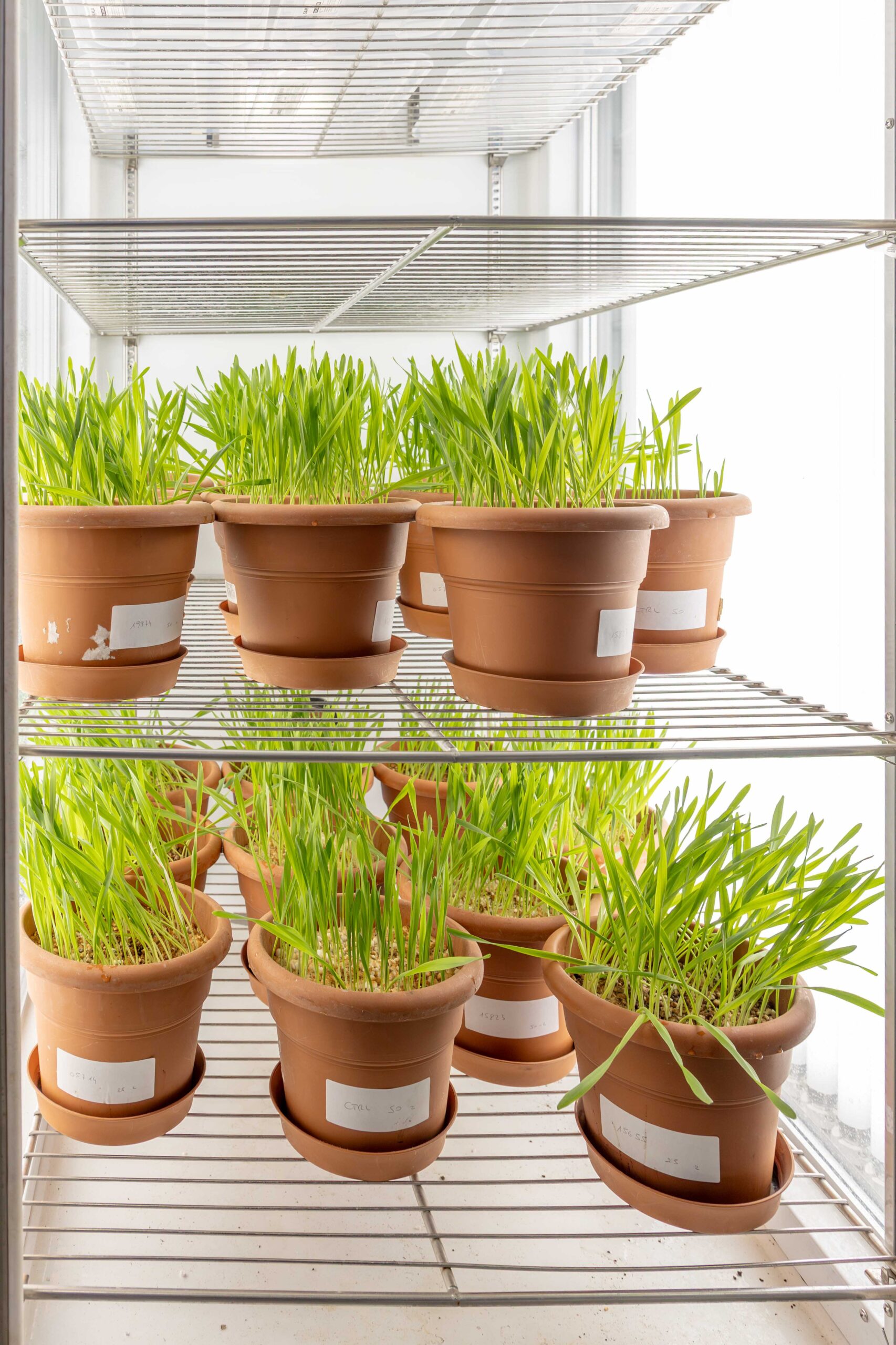
Ecotoxicity test on barley plants (OECD 208) assessing the potential toxicity of composted bioplastic material. Photo: ARCHA
The regulatory landscape for bioplastics is evolving, driven by technological advances, increased environmental awareness and international sustainability commitments. Efforts are underway to develop global and harmonised standards to facilitate trade and consumer confidence. New materials with tailored degradation profiles and enhanced performance are emerging thanks to innovative research (PHAntastic project ). Research and monitoring studies are needed to assess environmental impacts, optimise degradation processes, and inform regulations. Subsidies, tax benefits, and mandates can accelerate adoption, especially in agriculture and the expansion of composting and recycling facilities is essential for realising bioplastics’ environmental benefits.
Conclusion
The journey toward sustainable plastics is complex but promising. Regulatory frameworks will continue to evolve, shaping the future of bioplastics and their role in sectors like agriculture. Embracing innovation, standardisation, and responsible management will be key to harnessing their full potential and ensuring a healthier planet. In agriculture, bioplastics present promising solutions for sustainable practices, such as biodegradable mulch films and ensuring their safe and effective use requires robust regulatory oversight focused on environmental safety, soil health, and product performance.
Written by: ARCHA